

Marble, travertine and alabaster wall lights are some of the most beautiful fittings you can put on a wall. They are also natural materials, which means they need a slightly different approach to cleaning than glass or metal. Treat them like glass and you risk dulling the surface. Treat them like nothing at all and dust, oil and hard water can build up over time and take the shine off that lovely glow.
Here is a plain-English guide to keeping natural stone wall lights looking their best, for years rather than months.
Why natural stone needs a different approach
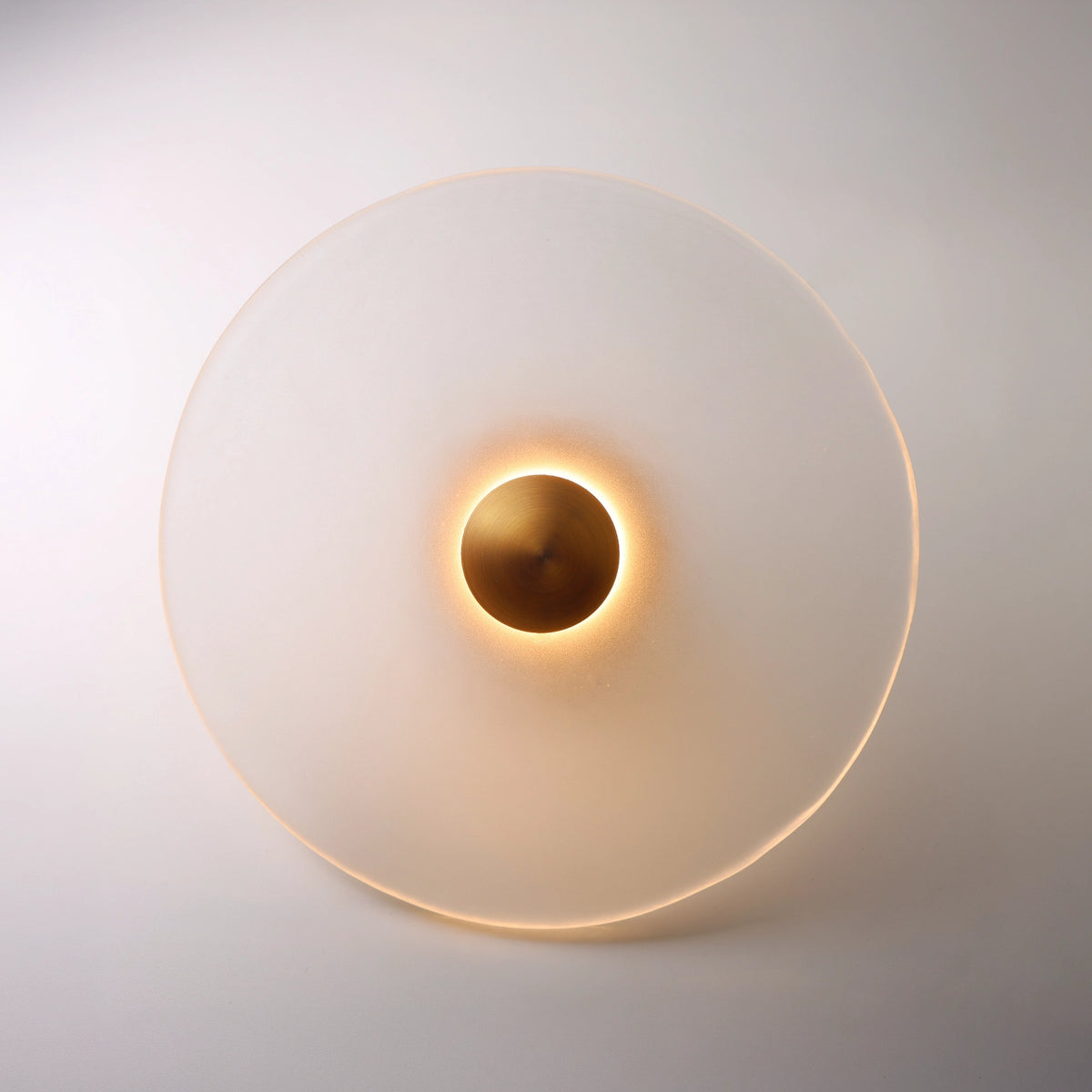
Marble, travertine and alabaster are all porous to varying degrees. Alabaster in particular is soft and slightly translucent, which is exactly what gives it that warm, honeyed glow when a globe is lit behind it. That same softness means it can scratch or stain more easily than a sealed ceramic or glass shade.
Travertine has natural pitting and texture built into the stone, so it can hold dust in the small surface holes if it is not dusted regularly. Marble is harder and denser than either, but it can still etch if you use anything acidic on it, and it will show fingerprints and water spots more than a matte finish would.
None of this means these fittings are high-maintenance. It just means a five-minute routine every month or so goes a long way.
The basic cleaning routine
1. Turn off the power first
Always switch off at the wall and, if the fitting is hardwired, at the circuit before you clean anywhere near the globe or wiring. If it is a plug-in wall light, simply unplug it.
2. Dust before you wipe
Use a soft, dry microfibre cloth or a soft-bristled brush to remove loose dust first. This matters more for travertine than marble or alabaster, since dry dust worked into the stone's natural holes with a wet cloth can be harder to shift afterwards.
3. Wipe with a barely damp cloth
Dampen a microfibre cloth with plain water, wring it out well, and wipe the surface gently. The cloth should feel barely damp, not wet. Natural stone is porous, so pooling water or letting moisture sit on the surface can lead to staining or, over a long period, weaken the stone.
4. Dry it straight away
Follow up immediately with a dry, soft cloth. Buff gently in one direction rather than scrubbing in circles, which can leave faint marks on softer stones like alabaster.
What to avoid
A short list of things to keep away from marble, travertine and alabaster fittings.
- Vinegar, lemon juice or any acidic cleaner. These will etch marble and travertine, leaving a dull patch that will not buff out.
- Abrasive powders, scourers or anything with grit. Stone scratches more easily than most people expect.
- Spray-and-wipe glass or multi-surface cleaners. Many contain ammonia or alcohol, both of which can strip the natural finish over time.
- Soaking or hosing down. Stone wall lights are not designed to be submerged, and water can find its way into the fitting itself.
- Harsh scrubbing on alabaster specifically. It is the softest of the three and marks more easily than marble or travertine.
Caring for the finish and hardware
Most natural stone wall lights, including pieces like The Luma in travertine, pair the stone with a metal fixing plate or trim, often in brushed brass. Clean the metal separately from the stone with a dry or barely damp cloth, and avoid metal polishes touching the stone surface, since most polishes are far too harsh for it.
If your fitting has a dimmable LED module or takes a separate globe, check the manufacturer's guidance before cleaning around it, and never spray cleaner directly onto electrical components.
Keeping the glow even
Part of the appeal of a stone wall light, such as a marble piece like The Marquise, is the way light passes through the veining and translucent patches in the stone. A light film of dust across the surface can mute this effect more than people expect, since it scatters the light before it reaches your eye. Regular dusting is really doing double duty here: it keeps the fitting looking clean, and it keeps the glow doing what you bought it for in the first place.
How often should you actually clean them?
For most Australian homes, a light dust every fortnight and a proper damp-cloth clean once a month is plenty. Kitchens and bathrooms tend to collect more airborne grease and moisture, so wall lights in those rooms may need attention slightly more often, every two to three weeks rather than monthly.
If a fitting is outdoors or in a covered alfresco area, check your product's IP rating and care notes first. Natural stone outdoor fittings need more frequent checks for water marks and should be wiped dry after rain where practical.
A quick reference
- Alabaster: dry dust weekly, barely damp cloth monthly, never acidic or abrasive cleaners.
- Travertine: dry dust first to clear pitting, then a barely damp wipe, dry immediately.
- Marble: dust regularly, avoid anything acidic, buff dry to prevent water spotting.
Treated this way, a natural stone wall light is not a fussy, high-maintenance piece. It is simply a fitting worth five minutes of care now and then, in exchange for a warm, natural glow that only gets better with time.







0 comments