

The best glass for a wall sconce depends on whether you want to see the globe. Clear glass shows it and gives the most light, frosted glass blurs it, opal glass hides it completely for the softest glow, and smoked or tinted glass trades brightness for mood. At eye level, frosted or opal is safer.
The shade on a wall light sits roughly where your eyes are. That changes the maths compared with a pendant over a table, because you look straight at a sconce every time you walk past it. The glass decides whether that glance meets a soft glow or a bright point of light.
What is the difference between clear, frosted, opal and smoked glass?
They differ in how much of the globe you can see and how much light gets through. Here is how the four compare on a wall.
| Glass | Can you see the globe? | Light through the shade | Glare at eye level | Best for |
|---|---|---|---|---|
| Clear | Yes, fully | Highest | High unless the globe is frosted or dim | Decorative globes, high walls, well-lit rooms |
| Frosted | A soft blur | High | Low | Hallways, living rooms, either side of a mirror |
| Opal | No | Medium to high | Lowest | Bedside walls, bedrooms, anywhere you sit close |
| Smoked or tinted | Partly | Lowest | Low, but the light is coloured | Feature walls, dining and lounge mood lighting |
Frosted glass is clear glass with a roughened surface, usually acid-etched or sandblasted, so light scatters as it leaves. Opal glass is white through its whole thickness. That's why opal looks milky even when the light is off, and why it hides the globe more completely than frosting does.
Is clear glass too glary for a wall light?
Often, yes. A clear shade puts the bare globe in your line of sight, and at the usual mounting height of 1500 to 1650 mm off the floor that's exactly where a standing person looks.
Clear glass still works in three situations. When the globe is part of the look (a frosted or opal globe, or a low-output filament globe). When the light is mounted high, above about 1800 mm, so you rarely look straight into it. And when the room already has plenty of other light, so the sconce is jewellery rather than a working light.
If you love a clear shade, budget for a good globe. A frosted LED globe behind clear glass gives you the sparkle of the shade without the hot spot. Our guide to which globe your wall light takes covers E27, E14, B22 and G9 fittings.
Is frosted or opal glass better for a bedroom?
Opal, by a small margin. Beside a bed you're lying a metre or less from the shade, and opal glass shows no globe shape at all, just an even glow.
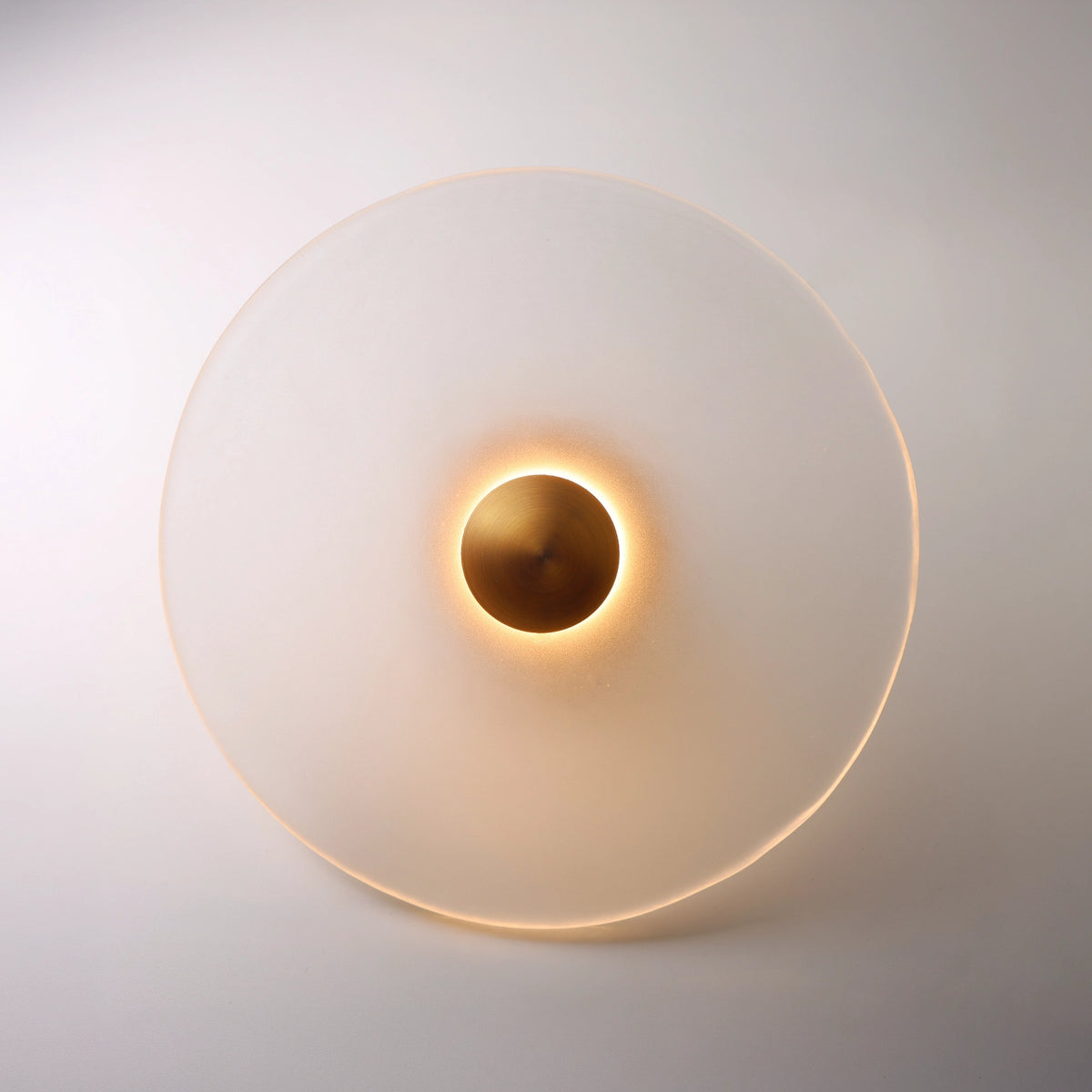
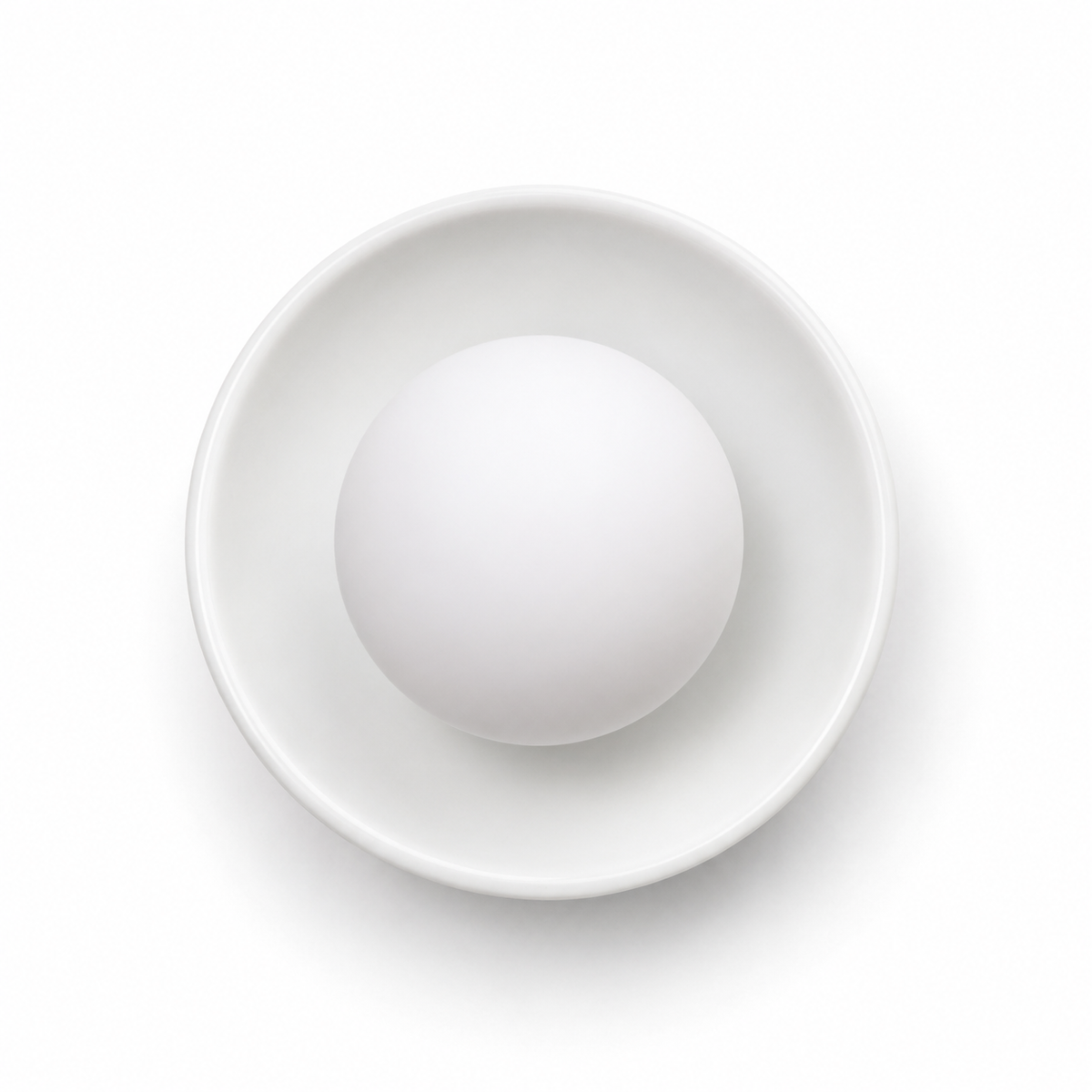
Frosted glass is close behind and gives slightly more light, which matters if the sconce is your only reading light. Look at the shade shape too. Our Solara ceramic sunburst sconce pairs a ceramic body with an opal glass globe, while the Orbis uses a hand-blown frosted glass disc over a hidden LED ring, so there's no globe to see at all. We've written more about that style in our frosted glass wall lights guide.

Does smoked or amber glass give off enough light?
Not enough to light a room on its own. Tinted glass absorbs part of the light and colours what gets through, so a smoked shade throws a warm, amber-tinted pool rather than useful brightness.
That's the point of it. The Remy pairs smoky brown glass with a copper-tone body and a G9 LED, and it's meant to glow on a feature wall or beside a dining table, with downlights or lamps doing the real work. If you want a tinted sconce to give more light, fit the brightest globe the fitting allows rather than a dim one.

How bright should the globe be behind each type of glass?
Pick the globe by how much the glass holds back. Lumens are the number to read on the box, and the federal Energy Rating website lists the equivalents for old incandescent globes: about 245 lumens for 25 W, 470 lumens for 40 W and 800 lumens for 60 W.
- Clear glass, decorative look: around 245 lumens, or a dimmable globe turned down.
- Clear glass, working light: around 470 lumens with a frosted globe.
- Frosted or opal glass, bedside or hallway: around 470 lumens.
- Frosted or opal glass, main light for a room: around 800 lumens, or several fittings.
- Smoked or tinted glass: the brightest globe the fitting is rated for.
Always stay within the maximum wattage printed on the fitting. Colour temperature matters as much as brightness here, since glass exaggerates a cold globe. Warm white, 2700K to 3000K, suits almost every glass shade in a home. More on that in warm white vs cool white.
Which glass is easiest to live with?
Frosted and opal. Both hide dust and fingerprints far better than clear glass, which shows every smudge once the light is on.
To clean any glass shade, switch off at the wall, wait for it to cool, and wipe it with a soft damp cloth and a drop of mild dish soap. Dry it straight away to avoid water marks. Skip abrasive pads on frosted glass, they can polish the etched surface back to patchy clear spots. Hand-blown glass, like the Orbis disc, can also show small bubbles and slight variation between pieces, which is normal for the process.
Every hardwired fitting in Australia has to be installed by a licensed electrician under the AS/NZS 3000 wiring rules, whichever glass you choose. You can compare the shapes and shades side by side in our glass wall lights collection.
Frequently asked questions
Is opal glass the same as frosted glass?
No. Frosted glass is clear glass with a roughened surface, while opal glass is milky white all the way through. Opal hides the globe more completely and gives a flatter, more even glow.
Can you use a clear globe in a frosted glass wall light?
Yes. The frosted shade does the diffusing, so a clear or filament globe inside it is fine. Inside a clear shade, a frosted or opal globe is the better choice.
Does tinted or smoked glass make a wall light dimmer?
Yes. Coloured glass absorbs part of the light and tints the rest, so the room gets less light than the globe's lumen rating suggests. Treat a smoked glass sconce as a mood light.
Are glass wall sconces hard to keep clean?
Clear glass shows dust and fingerprints most, frosted and opal hide them better. Switch off, let the glass cool, and wipe it with a soft damp cloth and a drop of mild dish soap.
Can glass wall lights go in a bathroom or outdoors?
Only if the fitting itself carries the right IP rating. Battii's indoor glass sconces are rated for dry indoor areas only, and The Orb is the one fitting in the range rated for outdoor use.








0 comments